
The Invisible Museum
Originality isn't invented. It's collected.

Every young artist asks the same question eventually: how do I find my style?
I get it. I asked it too. It feels like somewhere out there is a “you” waiting to be discovered, and if you just work hard enough, you’ll land on it.
I don’t think that’s how it works. Originality isn’t something you sit down and invent. It’s something you accumulate, without even realizing you’re doing it, over years.
Most young artists treat originality like a destination — something to chase, something you can decide to have if you try hard enough. It’s backwards. Originality doesn’t get invented. It gets revealed, after years of collecting the stuff that genuinely fascinates you. Nobody wakes up original. People become original because nobody else has lived their exact life, or paid attention to the exact same pile of things they have.
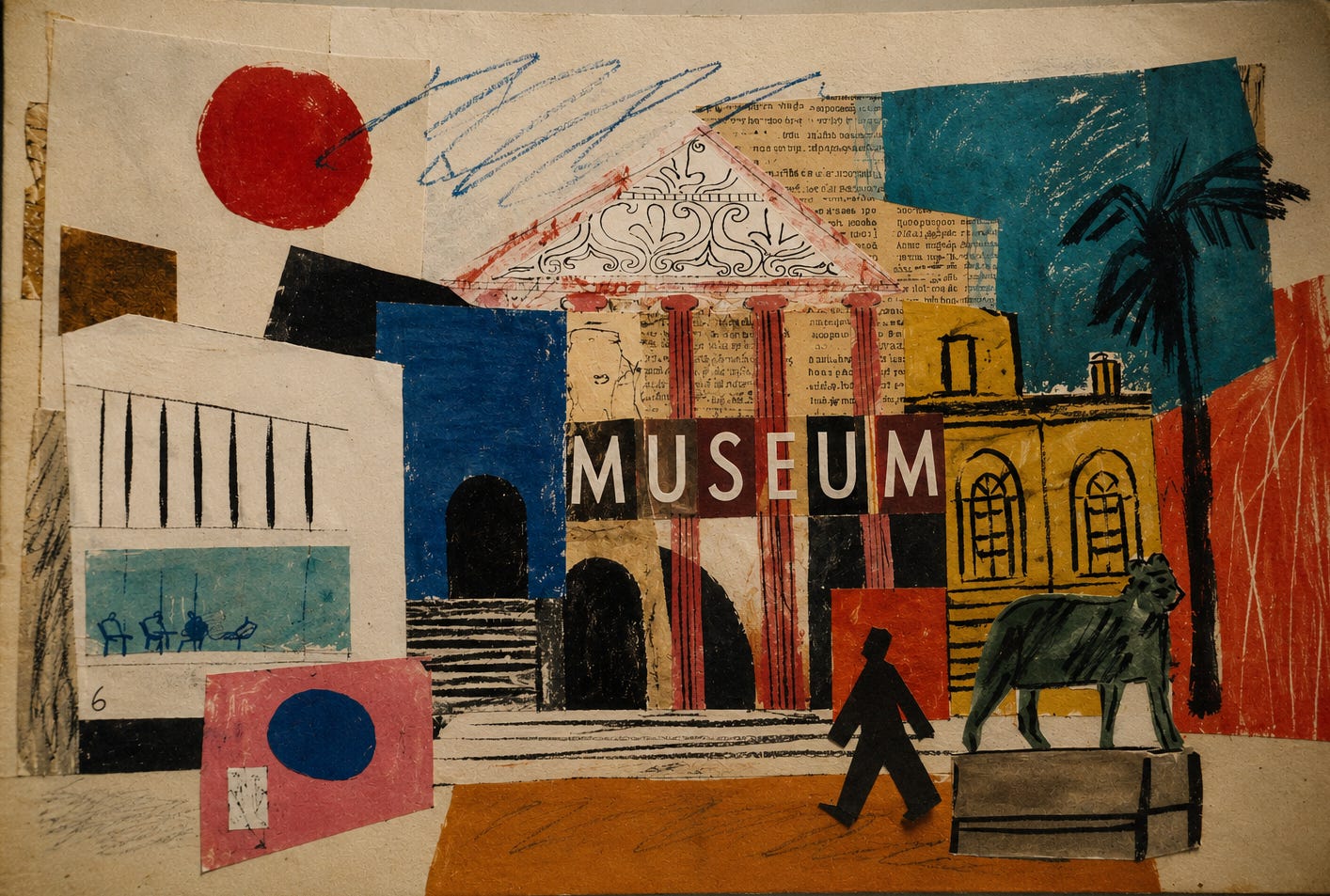
You’re building a museum without knowing it
Here’s how I think about it. You’re building an invisible museum, and you’ve been adding to it your whole life without knowing it. Old paintings. Road trips. A book you read twice. A movie that stuck with you for no clear reason. Your grandmother’s wallpaper. A conversation overheard on a bus. A strange motel. An old cartoon. Folk art. A bird you couldn’t stop looking at. A diner booth. A song stuck in your head for a decade. You don’t know why you’re keeping any of it. You just know, “I love this.” So it goes on the shelf.
Years later, your work starts pulling things off those shelves. Half the time you don’t even notice it happening. Nobody else has your museum — not because your taste is better, but because your life is different. Originality isn’t invention, it’s combination. It’s what happens when you mix things nobody else happened to mix, because nobody else collected quite the same stuff.
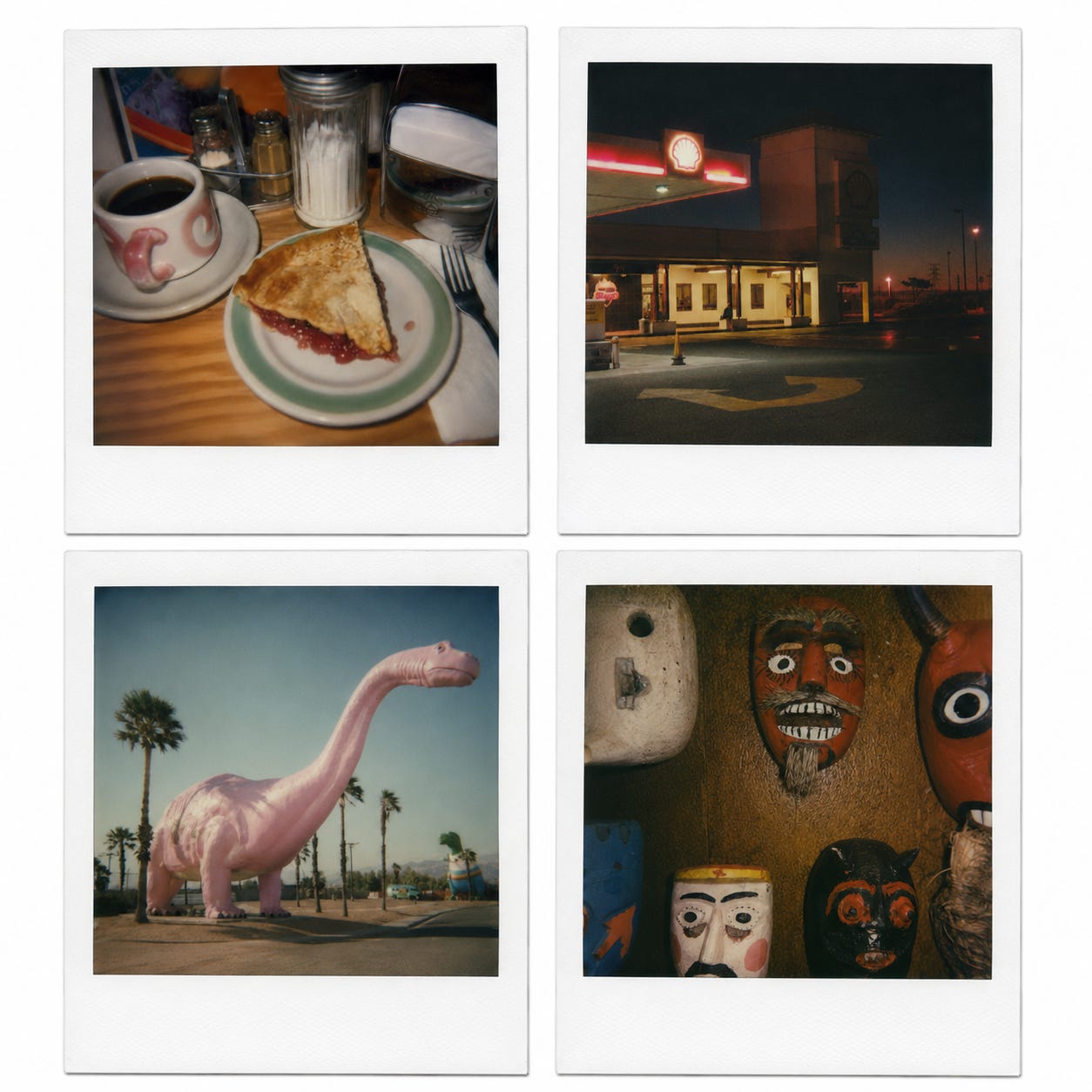
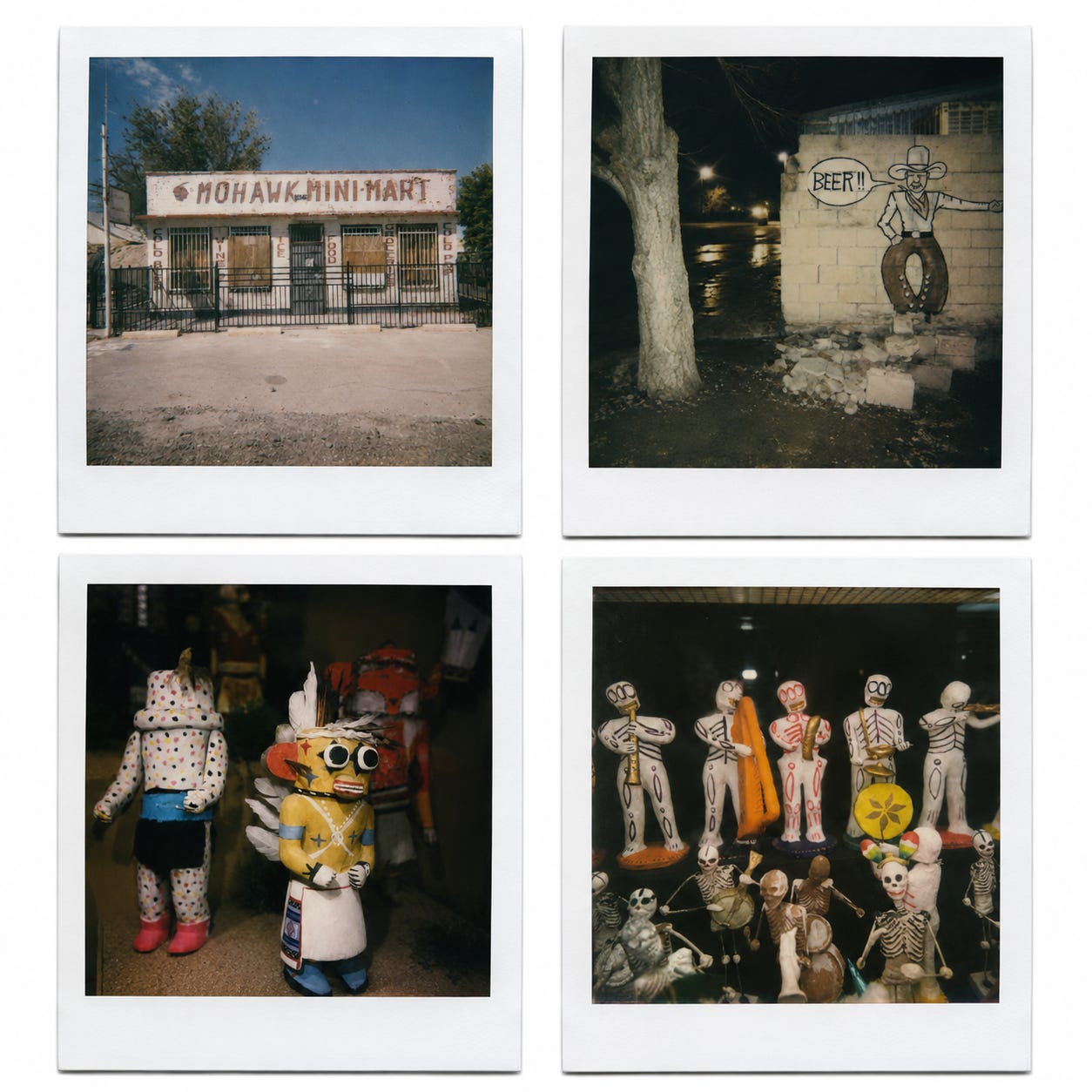
I’ll be honest about my own work here. My paintings aren’t “inspired by” Edward Hopper, or animation, or the Southwest, or kids’ books. They’re inspired by all of it at once — twenty years in animation, childhood road trips through Southern California, old diners, gas stations, desert landscapes, folk art, graphic design, roadside architecture, and paying attention to ordinary places for a long time. None of those influences is unique on its own. The combination is.
This is basically the first thing I tell my students: your assignment isn’t to become original, it’s to become interested. I like that distinction because it’s actually doable. Nobody can decide to be original on command. You can decide to be curious today.
Don’t only look inside your own field
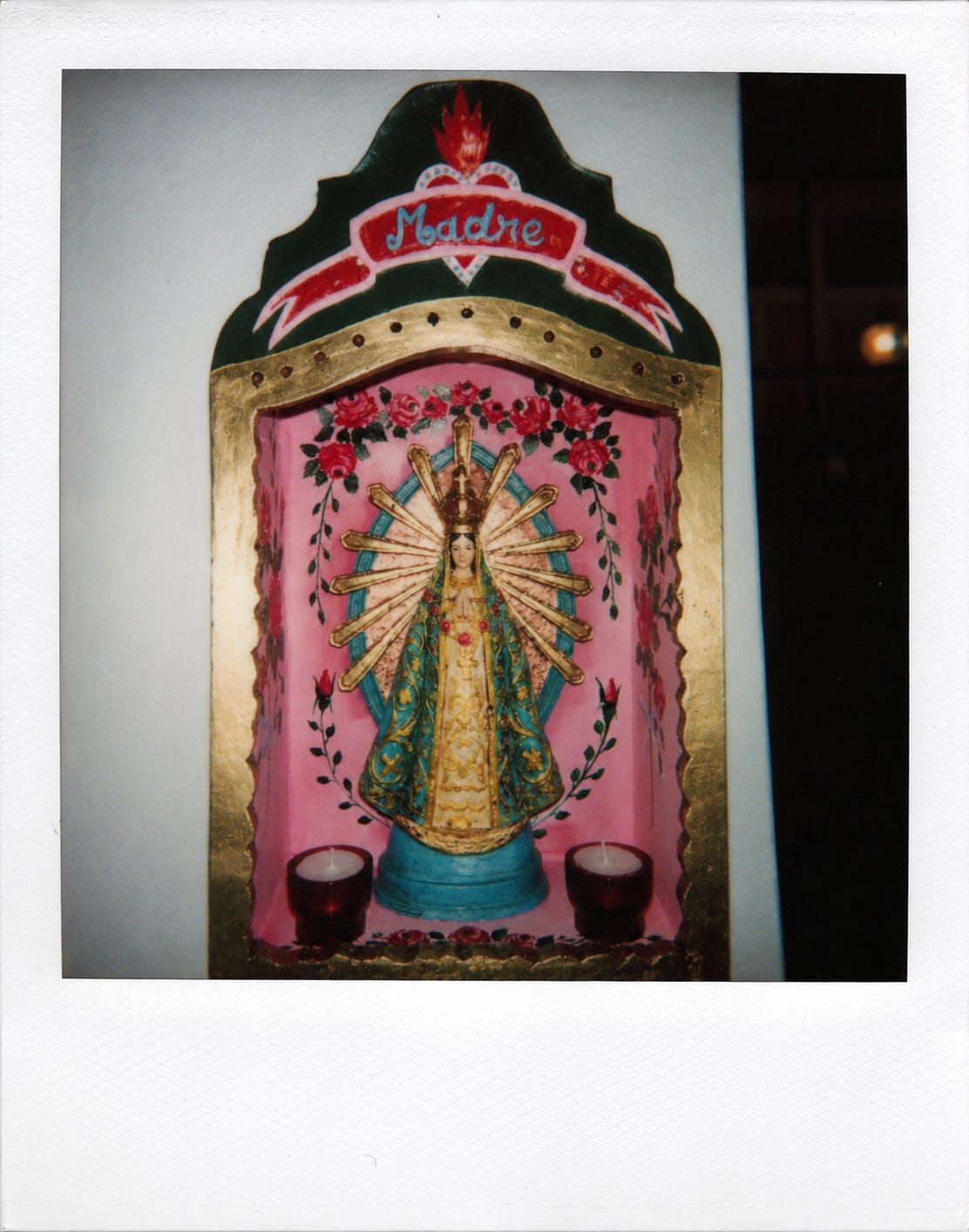
Here’s the part that matters most, especially for design and animation students — don’t only look inside your own field. If you’re a fine artist, go look at graphic design. If you’re a graphic designer, go look at old film. If you’re making art for video games, go read poetry, learn some architecture, learn a few birds. Work that actually looks like you rarely comes from staring harder at the thing you’re already making. It comes from bringing in stuff nobody expects you to bring in.
So I tell them: go to museums. Read history. Watch old movies. Look at buildings. Dig through flea markets. Talk to your grandparents. Walk your own neighborhood like a tourist. Read mythology. Go somewhere you’ve never been, even twenty minutes away. The real assignment underneath the assignment is to become a more interesting person. The art follows.
Artists worry that taking in too much will turn them into copycats. It’s the opposite. One influence, and you’re an imitator. A thousand, and you’re a synthesizer — because nothing dominates anymore, it all just mixes into something new. Think about soup. One ingredient, and you can name exactly what it is. Fifty ingredients, and nobody can point to the carrot. It’s become its own thing.
Curiosity is the engine
Which is really the whole point: your curiosity isn’t a nice personality trait, it’s your engine. It’s the thing that keeps you working for thirty years instead of five. Most art training is all about output — draw more, paint more, put in the hours. Nobody talks enough about the other half, which is feeding yourself. Think of it like breathing. You inhale before you exhale. The inhale is everything you take in — books, films, conversations, travel, mistakes, quiet noticing. The exhale is the artwork. A lot of young artists burn out trying to exhale constantly, without ever giving themselves permission to inhale. Eventually the well runs dry. Stay curious and you never run out. That’s what makes a long career possible, not just a good portfolio.
So I won’t end with advice. I’d rather give you permission. Stop worrying about being original. Go get fascinated by something instead. Fall in love with strange stuff. Wander a museum with no plan. Read a book you had no intention of reading. Take the long way home. Learn the history of some ordinary place nobody thinks twice about. Collect stories. Pay attention.
Fill your museum.
One day you’ll look at your work and realize it doesn’t look like anyone else’s. Not because you tried to make it different. Because nobody else on earth collected exactly what you did.
This intimate invisible museum you write about is such an important part of our heart ! Thank you for this wonderful essay opening to your readers an inspiring and human threshold : make a work of art with your life experience and delights...
Step one wait 30 years step two look back there’s your style